Quick answer
Galen Weston is richer than Jim Ratcliffe — and the gap grew in 2026. The Weston family sits at £18.939 billion (~US$24 billion), #5 on the Sunday Times Rich List 2026, while Sir Jim Ratcliffe is at £15.194 billion (~US$20 billion), #9. The Westons gained £1.2 billion year-on-year on steady grocery cash flows; Ratcliffe lost £1.9 billion as his Ineos chemicals empire posted a £515.7 million loss and took a junk credit downgrade. One is a fourth-generation retail heir buying Boots for $8.9 billion; the other is a self-made chemicals tycoon who owns 29% of Manchester United. Full Weston detail at the Galen Weston net worth breakdown.
Head-to-head: the numbers
| Weston family (Galen G. Weston) | Sir Jim Ratcliffe | |
|---|---|---|
| 2026 net worth | £18.939bn (~$24bn) | £15.194bn (~$20bn) |
| 2026 Rich List rank | #5 | #9 |
| 2025 net worth | £17.746bn | £17.046bn |
| Year-on-year change | +£1.19bn | −£1.85bn |
| Source of wealth | Retailing (4th-generation dynasty) | Petrochemicals (self-made, founded Ineos 1998) |
| Age in 2026 | 53 (born Dec 19, 1972) | 73 (born Oct 18, 1952) |
| Base | Toronto, Canada | Monaco (tax exile since 2020) |
The trajectories tell the story of 2026: defensive consumer cash flow versus cyclical heavy industry. Grocery and pharmacy revenues barely flinch in a downturn; petrochemical margins collapse when energy costs spike and demand softens.
The Weston side: inherited empire, operator's record
Galen G. Weston's wealth is dynastic: a Toronto bakery founded in 1882, compounded through four generations into Wittington Investments, George Weston Limited, Loblaw (~2,800 stores), Shoppers Drug Mart, and now the $8.9 billion Boots acquisition announced October 7, 2026. But “inherited” undersells it — Galen took Loblaw's helm at 33, led the $12.4 billion Shoppers Drug Mart buy in 2013, sold Selfridges for £4 billion in 2022, and runs the holding structure as chairman and CEO of George Weston Limited. Read how he made his money and the full companies list.
The 2026 momentum is real: +£1.19 billion on the Rich List, a landmark UK acquisition, and a pharmacy-and-grocery portfolio that prints cash through recessions. Weston's public controversies — the $8.4 million pay package, parliamentary grillings, the 2024 boycott — are reputational, not financial.
The Ratcliffe side: self-made, and 2026 hurt
Jim Ratcliffe's story is the mirror image: raised on a council estate in Greater Manchester, son of a joiner, chemistry graduate of the University of Birmingham — who mortgaged his house in 1992 to fund his first chemicals deal and founded Ineos in 1998. Ineos grew by buying distressed industrial assets and sweating them: today it runs 154 facilities in 27 countries, employs 26,000+ people, and generates around £50 billion in annual sales.
But 2026 has been punishing. The Sunday Times compilers cut Ineos' valuation to £17 billion on rising debt and falling revenues; the group logged a £515.7 million loss; and S&P downgraded its two main borrowing vehicles — carrying about £18 billion in combined debt — to junk status. Ratcliffe blames high European energy costs, carbon taxes, and cheap imports, and has warned the sector's troubles threaten a million jobs. His response: halt non-essential spending, weigh asset sales, and tilt new investment toward America.
Trophy assets: Manchester United vs Boots
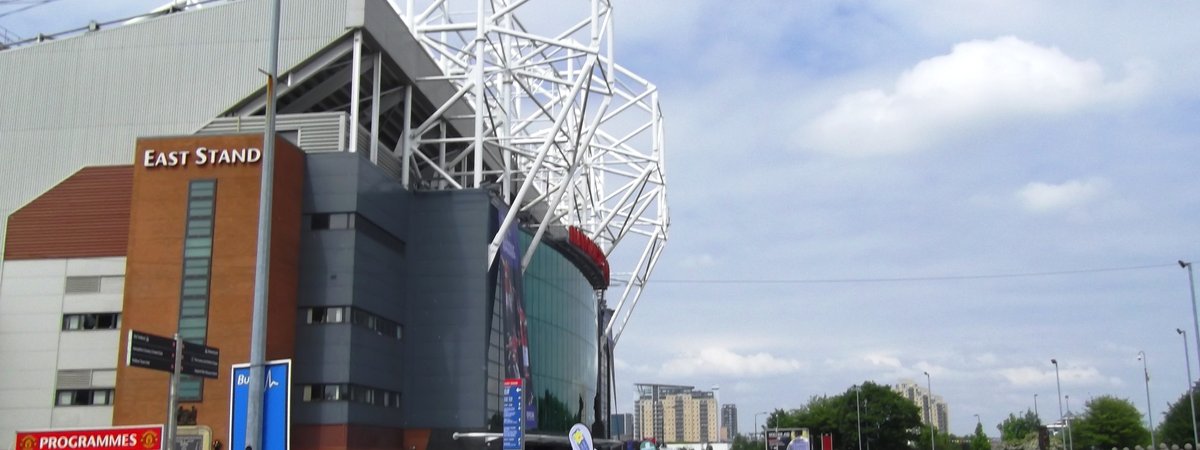
Both men own a piece of British cultural furniture. Ratcliffe bought roughly 29% of Manchester United in 2024 — a stake now valued around £1.4 billion — and took control of football operations, immediately ordering 450 job cuts and closing the staff canteen in a cost purge he called “extremely unpopular” but necessary. He has since claimed United is becoming the most profitable club in the world.
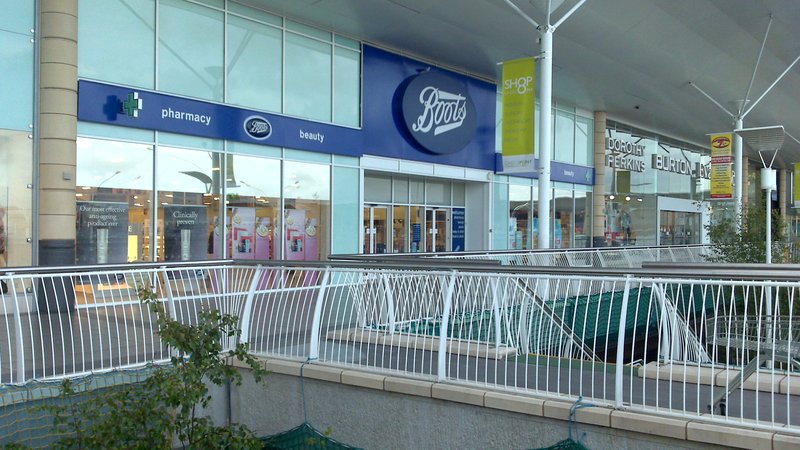
Weston's trophy play is Boots: ~1,800 UK and Ireland stores, 50,000+ staff, the No7 beauty brand — bought with Wittington Investments and Fairfax Financial for $8.9 billion, with Galen set to chair it from the Q1 2027 close. Where Ratcliffe bought into football emotion, Weston bought into pharmacy footfall: heritage retail, held for decades, improved store by store.
Lifestyle and public profile
The contrast extends to how they live. Weston, 53, keeps a low profile from a Toronto-area estate in Caledon, Ontario, married since 2005 to Alexandra Schmidt, granddaughter of Bata shoe founder Thomas J. Bata, with whom he has two sons. Ratcliffe, 73, is the louder figure: knighted in 2018, a Monaco tax resident since 2020 — a move reported to save billions in personal tax — and a regular maker of headlines, from praising Reform UK's Nigel Farage to his disputed claims about UK immigration.
One irony: Ratcliffe, the self-made man, left Britain for tax reasons; Weston, the heir, is doubling down on Britain with the biggest retail acquisition of the year.
Empire scale: grocery footprint vs chemical plants
The two fortunes are built on radically different industrial footprints. The Weston retail machine is a consumer-facing colossus: Loblaw's ~2,800 Canadian stores, Shoppers Drug Mart's ~1,300 pharmacies, and — once the Q1 2027 close lands — Boots' ~1,800 UK and Ireland stores with 50,000+ employees. Add the British branch's Primark (400+ stores) and the family's real estate trust, and the Weston footprint touches hundreds of millions of shopping trips a year.
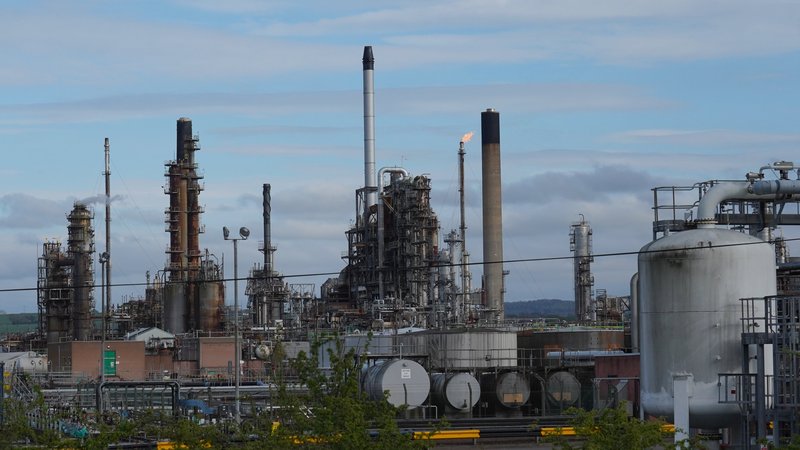
Ineos is the opposite kind of scale: 154 industrial facilities across 27 countries, 26,000+ employees, and roughly £50 billion in annual sales of chemicals, plastics, and energy products most consumers never see. It is bigger by revenue than anything the Westons own — and far more exposed to the cycle. When European energy prices spiked and cheap imports flooded in, Ineos' margins compressed violently; when grocery prices spike, Loblaw's margins barely move. That asymmetry is the whole 2026 story in one paragraph.
Verdict: Weston leads — and is pulling away
On the only scoreboard that counts here — the Sunday Times Rich List 2026 — it is Weston #5 at £18.939 billion versus Ratcliffe #9 at £15.194 billion, a gap of roughly £3.7 billion that widened by £3 billion in a single year. Structural forces favor the Westons: grocery and pharmacy demand is recession-proof, while petrochemicals ride the energy cycle. Ratcliffe needs an Ineos turnaround; Weston needs the Boots integration to work. The smart money in 2026 is on the grocer.
The longer view favors the dynasty model too. The Weston fortune has compounded for four generations and 144 years since George Weston's 1882 bakery, surviving wars, recessions, and retail revolutions by owning the assets rather than trading them. Ratcliffe built Ineos from nothing in 28 years — a more dramatic arc, but one now hostage to European industrial policy, energy prices, and £18 billion of debt. In 2026, boring won.
Frequently asked questions
Who is richer: Galen Weston or Jim Ratcliffe?
Galen Weston — or more precisely, the Weston family he heads — is richer. The Sunday Times Rich List 2026 puts the Weston family at £18.939 billion (about US$24 billion), ranking fifth, versus Sir Jim Ratcliffe at £15.194 billion (about US$20 billion), ranking ninth. The gap widened in 2026: the Westons gained £1.2 billion while Ratcliffe lost £1.9 billion.
What is Jim Ratcliffe's net worth in 2026?
Sir Jim Ratcliffe's net worth is estimated at £15.194 billion on the Sunday Times Rich List 2026, down from £17.046 billion in 2025. His fortune comes from Ineos, the petrochemicals group he founded in 1998, plus a roughly 29% stake in Manchester United worth about £1.4 billion.
How did Jim Ratcliffe make his money?
Ratcliffe is a classic self-made billionaire. Raised on a council estate in Greater Manchester, he founded the chemicals company Ineos in 1998 by buying unloved industrial assets and turning them around. Ineos now runs 154 facilities across 27 countries with around £50 billion in annual sales — though 2026 has been brutal, with the group posting a £515.7 million loss and credit downgrades.
Why did Jim Ratcliffe's wealth fall in 2026?
The Sunday Times compilers cut Ineos' valuation to £17 billion on rising debt and falling revenues, and the group's two main borrowing vehicles were downgraded to junk status by S&P. High European energy costs, carbon taxes and cheap imports have hammered the chemicals sector — wiping almost £1.9 billion off Ratcliffe's estimated wealth in a year.
How old are Galen Weston and Jim Ratcliffe?
Galen G. Weston was born on December 19, 1972 — he is 53 in 2026. Sir Jim Ratcliffe was born on October 18, 1952 — he is 73 in 2026, twenty years Weston's senior.
Is Galen Weston married?
Yes. Galen G. Weston married Alexandra Schmidt in 2005. She is a granddaughter of Thomas J. Bata, founder of the Bata shoe empire. The couple has two sons.
Where do Galen Weston and Jim Ratcliffe live?
Galen Weston is based in the Toronto area, on a large private estate in Caledon, Ontario. Jim Ratcliffe left Britain in 2020 to become a tax resident of Monaco — a move reported to save him billions in personal tax.
Who owns Manchester United vs who owns Boots?
Jim Ratcliffe owns about 29% of Manchester United (bought in 2024) and runs its football operations. Galen Weston's family holding company Wittington Investments agreed in October 2026 to buy Boots for US$8.9 billion, with Galen set to become Boots chairman when the deal closes in Q1 2027.